

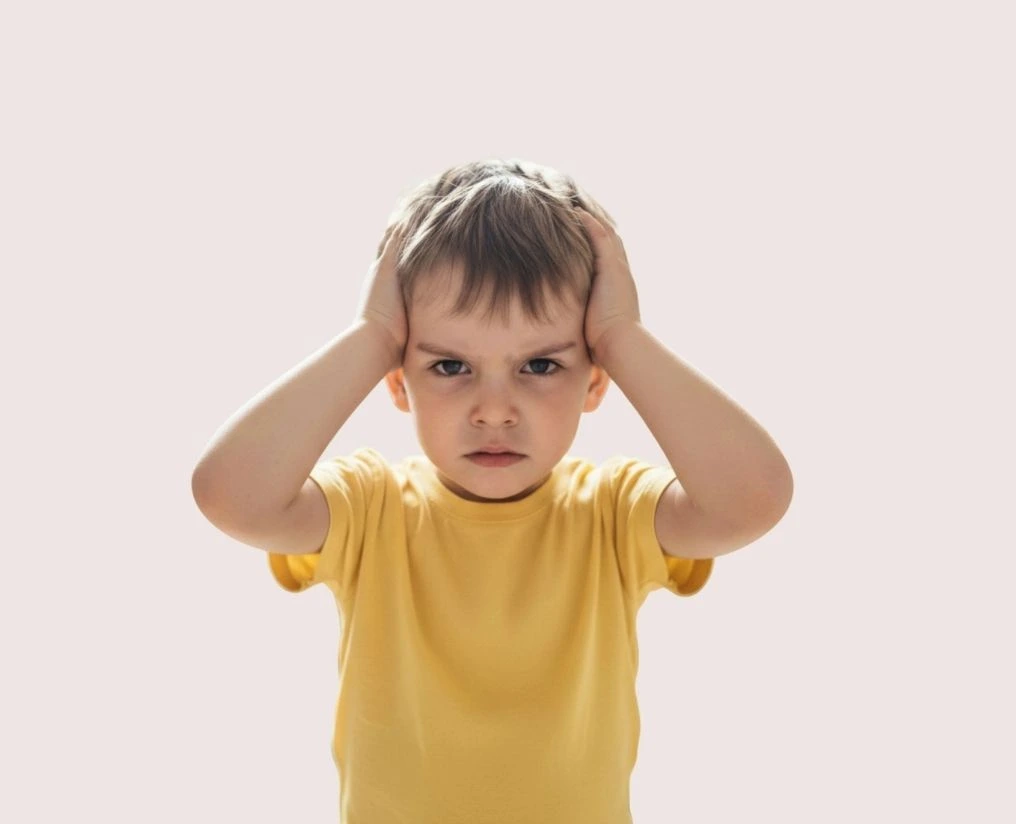
Autism, medically referred to as Autism Spectrum Disorder (ASD), is a form of neurodivergence and neurodevelopmental disorder that persists throughout an individual’s lifetime and encompasses a broad spectrum. However, generally speaking, individuals with this disorder experience differences in perception, communication, and interaction compared to neurotypical individuals. They encounter social difficulties and exhibit diverse behaviors and routines. Research in this field suggests that individuals with autism may have differences in how they respond to social and environmental cues. Early diagnosis of autism plays a crucial role in improving long-term developmental outcomes.
Highly stimulating or crowded environments may cause sensory overload or confusion. Diagnosing this condition is of utmost importance, particularly in children under three years of age, because some individuals may learn to mask or compensate for certain traits as they grow older and behave in ways similar to their peers. This concealment can be more detrimental and exert significant psychological stress on the individual. In this article, we aim to provide an overview of autism and examine the advantages of early diagnosis.

Core Symptoms and Behavioral Markers of Autism
As we mentioned before, autism has a wide spectrum, so its symptoms also vary from person to person. But in general, the symptoms of this disorder can be divided into three main groups:
1. Social Communication Challenges and Interaction Deficits in Autism
Among the challenges that many autistic individuals face are crowded or highly stimulating environments and difficulties in communicating with others. The following symptoms in people are partly indicative of this:
- Weakness in non-verbal behaviors: It is very difficult for these people to make eye contact and change facial expressions and body gestures to convey their message and meaning.
- Weakness in social-emotional behaviors: Autistic people have difficulty communicating or having conversations with other people, and they also cannot properly express their feelings and interests or respond to the feelings of others. It is also difficult for them to make friends or to be friendly with people their age.
2. Repetitive Patterns and Restricted Interests
If you deal with autistic people, you will notice behaviors that differ from those commonly observed in the general population. Here are some examples of these behaviors:
- Stereotyped and repetitive movements and speech: These include behaviors that may appear repetitive or purposeless, for example: walking on tiptoe, spinning around, lining up toy cars around themselves without moving them, or repetitive speech (echolalia), which refers to the repetition of words or phrases. For example, an autistic child will repeat the question itself instead of answering a question that has been asked.
- Insistence on monotony and limited and fixed interests: Characteristics such as repetitive daily routines or unusual focus on specific topics are among the signs of this disorder. It is very difficult for autis tic children to change their habits. Their interests are also different and may only show attention to one subject. For example: knowing all the models of vacuum cleaners, a strong interest in numbers, dates, dinosaurs or ventilation systems.
- Unusual sensory reactions: over- or under-reaction to sensory events such as pain, temperature, sound. For example, if an autistic child falls and hurts his foot, he may respond differently to pain or discomfort compared to other children
3. Age-Specific Red Flags: Identifying Early Signs of Autism
Parents and doctors should consider all these signs, especially at an early age, because they can be a great help in diagnosing this condition at an early age.
Children under three years of age
- Inability to make eye contact
- Not responding to hearing their name
- Inability to share interests and toys with their peers
- Not pointing to objects and others by 12 months
- Forgetting skills previously taught
Preschoolers
- Inability to make up imaginary games or play with objects
- Strange or highly focused interests (for example, autistic children may love a ceiling fan and stare at it for hours)
- Inflexibility in some behaviors: everything must go according to their rules: for example, they must take a specific route to school every day or, for example, eat food only in a specific container.
At school age
- They do not understand sarcasm and must be told directly
- They do not understand the feelings and reactions of others.
- They like to socialize with their peers but do not have the skills to talk and interact socially.
The Benefits of Early Diagnosis
According to our findings, children’s brains are at their most malleable and developmentally optimal for learning and communication when they are less than three years old. Consequently, there are several advantages, despite the fact that diagnosing autism in children younger than three years old is more challenging.
The capacity for rapid learning, behavioral modification, and experience acquisition is known as neuroplasticity, and it is a hallmark of the human brain. Early diagnosis allows clinicians and parents to help children with autism develop communication skills at a period of peak neuroplasticity, which occurs in the early years of life (particularly before the age of three).

Treatment
When discussing autism interventions, the primary goal is not to cure autism but to support development and daily functioning. Autism cannot be cured or eliminated; there is currently no medication that treats autism itself, but medications may be used to manage associated symptoms; however, targeted interventions can help individuals develop skills and improve quality of life.
Therapeutic methods such as developing abilities and skills can improve autism to some extent. The research team will present a selection of these interventions:
1. Behavior Therapy and Speech Reinforcement:
By using this method, therapists and specialists can help autistic children develop new skills and adaptive behaviors. These include the following:
- Applied Behavior Analysis (BA): Among the methods mentioned, it uses a consequence and facilitation system to reinforce positive skills and reduce harmful behaviors.
- Speech Therapy: This method is suitable for children who have speech problems and cannot communicate well with others or do not understand the meaning of irony.
- Occupational Therapy: Therapists use everyday functional activities such as dressing, eating, and using various tools to teach. This method can also be used to manage sensations such as sensitivity to sound or touch to some extent.
2. The Role of The Family in Treatment
The home environment can be adjusted in such a way that children can strengthen their skills. Parents and other family members actually act as full-time therapists. They can teach their children how to play, communicate with others and other children, and manage behavioral crises.
3. The Role of Medications in The Treatment of Autism
It is important to note that there is no medication to treat autism that, for example, will make a child start talking or communicate like other children. However, specialist doctors may prescribe medications to help manage associated behavioral or emotional symptoms that may interfere with daily functioning or learning:
- Selective serotonin reuptake inhibitors (SSRIs): These drugs help improve and reduce repetitive, aggressive, or emotionally intense behaviors.
- Tricyclic antidepressants: They are another type of antidepressant and are used for autistic children who suffer from obsessions or harm.
- Stimulants may be prescribed to help manage attention difficulties or hyperactivity in some individuals with autism.

Conclusion
Autism is a neurodevelopmental condition with a wide range of presentations that can have different symptoms in different people. However, with early diagnosis in childhood, it is possible to reduce challenges such as aggression, attention difficulties, hyperactivity, and regression in skills or developmental delays. Early support can help improve long-term outcomes for children with autism, and with appropriate skill development, they can achieve greater independence and improved access to education.